
Rethinking Normal: Defining Typicality in a Neurodivergent World

The word normal often feels like a fixed point, a standard everyone should meet. But who decides what normal really means? In a world where neurodiversity is gaining recognition, the idea of what is typical is shifting. This change challenges long-held assumptions about behavior, learning, and communication. Understanding this shift helps us create a more inclusive society where everyone’s unique traits are valued.
What Does Normal Mean?
Normal usually refers to what is common or expected in a group. It’s a way to describe patterns in behavior, thinking, or abilities that most people share. For example, in education, normal might mean learning at a certain pace or showing specific social skills. But this definition often excludes people who think or behave differently, such as those with autism, ADHD, or other neurodivergent conditions.
The problem with normal is that it assumes a single standard fits everyone. This view ignores the wide range of human experiences and abilities. When society labels some people as not normal, it can lead to misunderstanding, stigma, and exclusion.
The Rise of Neurodiversity
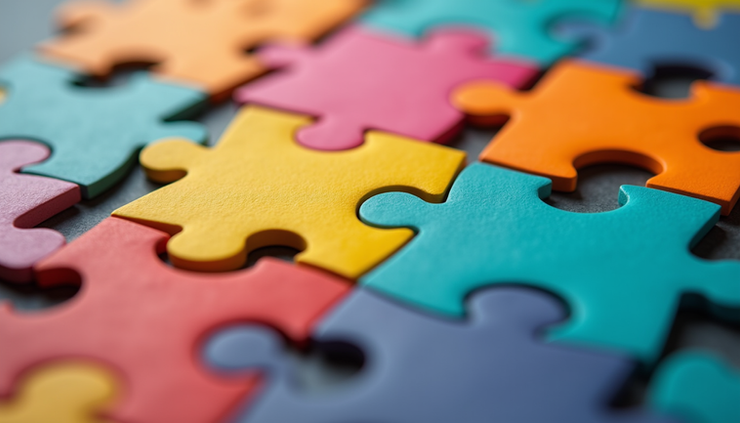
Neurodiversity is the idea that variations in the human brain and mind are natural and valuable. It recognizes that conditions like autism, dyslexia, and ADHD are part of normal human differences, not disorders to be fixed. This perspective encourages acceptance and support rather than trying to force everyone into one mold.
For example, some autistic individuals have exceptional attention to detail or strong memory skills. People with ADHD may show creativity and energy that benefit problem-solving. These traits challenge the traditional idea of normal by showing that different ways of thinking can be strengths.
Who Decides What’s Typical?
Typicality is often set by dominant cultural, social, and medical groups. Schools, workplaces, and healthcare systems create standards based on what most people do or how they perform. These standards shape policies, teaching methods, and social expectations.
But these decisions can overlook the needs of neurodivergent people. For instance, a classroom designed for typical learners may not support students who process information differently. Workplaces may expect communication styles that exclude some employees.
Listening to neurodivergent voices is essential to redefine typicality. When people share their experiences, it helps others understand diverse ways of thinking and behaving. This understanding can lead to more flexible standards that include everyone.
Examples of Rethinking Normal
Education: Schools are adopting personalized learning plans that respect different learning styles. Instead of expecting all students to learn the same way, teachers use varied approaches like visual aids, hands-on activities, or technology support.
Workplaces: Some companies create quiet spaces or flexible schedules to accommodate sensory sensitivities and attention differences. They also train managers to recognize diverse communication styles.
Social Interactions: Communities are promoting acceptance of different social behaviors. For example, not all people make eye contact or use typical body language, but that does not mean they are less engaged or friendly.
The Impact of Expanding Normal
Broadening the definition of normal benefits everyone. It reduces stigma and helps people feel accepted for who they are. It also encourages innovation by valuing different perspectives and problem-solving methods.
When society embraces neurodiversity, it builds stronger connections and more supportive environments. This change requires ongoing effort from individuals, institutions, and communities.
Moving Forward with Inclusion
To rethink normal, we can:
Challenge assumptions about what typical behavior looks like.
Listen to diverse voices and experiences.
Adapt environments to meet varied needs.
Educate others about neurodiversity and inclusion.
Promote policies that support flexibility and respect differences.
By doing these things, we create a world where normal is not a narrow standard but a broad, welcoming space for all.
Normal is not a fixed point but a moving target shaped by culture, knowledge, and empathy. Rethinking it opens the door to a more inclusive future where everyone’s unique mind is valued.


Comments