
Parallel Play vs Social Play: What to Watch For in Early Years

Young children develop social skills through play, but not all play looks the same. Two common types of play in early childhood are parallel play and social play. Understanding the differences between these can help parents, caregivers, and educators support healthy development and recognize when a child might need extra help.
Children often start with parallel play before moving into more interactive social play. Watching how children play can reveal a lot about their social growth and readiness to connect with others.
What Is Parallel Play?
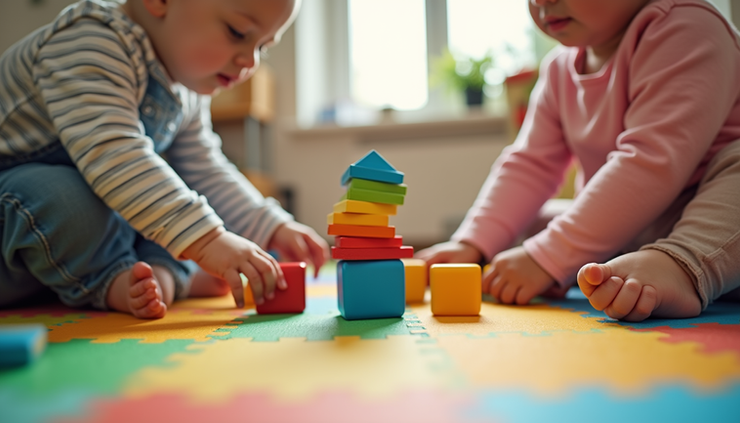
Parallel play happens when children play near each other but do not directly interact. They might use similar toys or activities but focus on their own play rather than sharing or cooperating. This type of play is common in toddlers around 18 months to 3 years old.
Characteristics of Parallel Play
Children play independently but close to peers
No direct communication or cooperation
Similar toys or activities used side by side
Focus on individual exploration and practice
For example, two toddlers might sit next to each other building towers with blocks. They are aware of each other but do not share blocks or talk about what they are doing.
Parallel play helps children learn to be near others and observe social cues without the pressure of interaction. It builds comfort and confidence in social settings.
What Is Social Play?
Social play involves direct interaction between children. This can include talking, sharing, taking turns, and cooperating on activities. Social play usually develops between ages 3 and 5 as language and social skills improve.
Characteristics of Social Play
Children communicate and engage with each other
Sharing toys and taking turns
Cooperative games or pretend play
Problem-solving and negotiating roles
An example of social play is when children play house together, assigning roles like parent or baby, and talking through their actions. They work together to create a shared story or goal.
Social play supports language development, empathy, and understanding of social rules. It is a key step in building friendships.
Why Both Types of Play Matter
Both parallel and social play are important for early childhood development. Parallel play allows children to practice focus and independence while getting used to being around others. Social play builds communication skills and emotional understanding.
Children do not move from parallel to social play in a strict order. Many children switch between the two depending on mood, environment, or familiarity with peers.
What to Watch For in Early Years
Parents and caregivers can look for signs that children are developing healthy play skills or may need support.
Signs of Healthy Play Development
Toddlers engage in parallel play comfortably near others
Preschoolers begin to share, take turns, and communicate during play
Children show interest in others’ activities and try to join in
Play becomes more imaginative and cooperative over time
When to Be Concerned
A child avoids playing near others or seems uninterested in peers
No attempts to communicate or share during play by age 3
Difficulty understanding simple social rules like turn-taking
Persistent solitary play without progression to social play
If these signs appear, it may help to consult a pediatrician or early childhood specialist. Early support can improve social skills and prevent challenges later.
How to Support Play Development
Adults can encourage both parallel and social play through simple strategies:
Provide a variety of toys that invite both independent and group play
Arrange play spaces where children can be near each other but also have their own area
Model sharing, turn-taking, and positive communication
Organize small group activities with clear roles and simple rules
Praise efforts to interact and cooperate with peers
Creating a safe and supportive environment helps children feel confident to explore different types of play.
Summary
Parallel play and social play are key stages in early childhood social development. Parallel play allows toddlers to play alongside peers without direct interaction, building comfort in social settings. Social play involves communication, sharing, and cooperation, which develops as children grow.


Comments