
How Occupational Therapy Helps ADHD Improve Focus, Routines, and Daily Life
- Psyuni Group

- Jul 27
- 5 min read
ADHD can make ordinary tasks feel like they have too many moving parts. Getting dressed, starting homework, packing a bag, cooking a meal, or leaving the house on time may all require planning, attention, emotional control, and body awareness at once.
Occupational therapy looks at those daily demands in a practical way. Rather than focusing only on symptoms, an occupational therapist helps build skills, tools, and environments that make everyday life easier to manage.
This article is for informational purposes only and is not a substitute for medical advice, diagnosis, or treatment.
Occupational therapy turns ADHD challenges into everyday skills
ADHD often affects executive function, which includes the mental skills used to plan, start, organize, remember, and finish tasks. These skills show up everywhere, not just at school or work.
An occupational therapist may look at questions such as:
Can the person start a task without repeated reminders?
Do they know what step comes next?
Are distractions making the task harder than it needs to be?
Is the space too loud, crowded, or visually busy?
Does the person become frustrated before finishing?
Are routines realistic for their age, energy, and schedule?
The goal is not to “fix” a person with ADHD. The goal is to help them function better in real life. That may mean breaking tasks into smaller steps, using visual cues, practicing body regulation, or changing the environment so attention is easier to maintain.
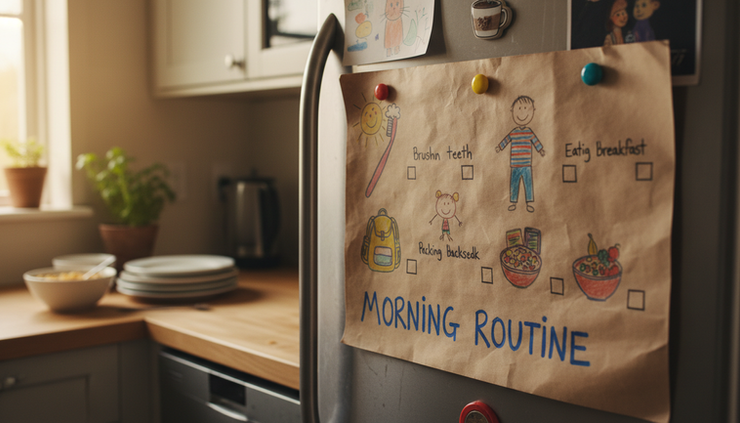
For a child, this might look like learning a morning routine with pictures. For a teenager, it may mean creating a homework setup that reduces distractions. For an adult, it could involve building systems for meals, laundry, appointments, or work-from-home habits.
Occupational therapy for ADHD works best when it connects skills to actual daily routines. Practice matters more when it happens in the places where the challenge occurs.
Better focus starts with the right sensory and movement supports
Many people with ADHD have trouble regulating alertness. Some feel restless and seek movement. Others shut down when a task feels boring or overwhelming. Some react strongly to noise, clothing textures, light, or busy spaces.
Occupational therapists often assess sensory processing, which is how the nervous system receives and responds to input from the body and environment. This can help explain why a person may focus better while moving, chewing gum, sitting on a wobble cushion, or taking short breaks.
Helpful supports may include:
Movement breaks
Short, planned bursts of movement can help some people return to seated tasks with more focus.
Heavy work activities
Carrying groceries, pushing a laundry basket, wall push-ups, or using resistance bands may support body awareness and calm.
Fidget tools
A quiet fidget can give the hands something to do without pulling attention away from the main task.
Environmental changes
Softer lighting, less visual clutter, noise-reducing headphones, or a defined work area can lower distractions.
These supports are not rewards or treats. For many people with ADHD, they are tools that help the brain and body get ready to participate.
The key is matching the strategy to the person. A fidget may help one child listen and distract another. A quiet room may calm one adult and make another feel under-stimulated. Occupational therapy uses observation and trial to find what actually helps.
Routines become easier when tasks are broken down
ADHD can make vague instructions hard to follow. “Clean your room” or “get ready for school” may sound simple, but each one contains many hidden steps.
Occupational therapy makes those steps visible.
Instead of saying “clean your room,” a therapist might help create a sequence:
Put dirty clothes in the hamper.
Place books on the shelf.
Throw away trash.
Put toys or supplies in labeled bins.
Make the bed.
This reduces decision fatigue. It also gives the person a clear finish line.
For younger children, routines may use pictures, songs, timers, or checklists. For teens and adults, the tools may include phone reminders, habit trackers, calendar blocking, written task lists, or simple home organization systems.
A strong routine usually has three parts:
A clear start
A simple sequence
A clear finish
A cue that tells the brain it is time to begin, such as an alarm, song, or visual card.
Steps that are short enough to follow without losing track.
A visible sign that the task is done, such as checking a box or placing a bag by the door.
This approach can reduce conflict at home because the routine does some of the reminding. It also helps build independence over time.

Emotional regulation is part of daily function
Focus is not only about attention. Emotions play a major role. A person with ADHD may know what to do but lose access to those skills when frustrated, rushed, embarrassed, or overwhelmed.
Occupational therapy can support emotional regulation by teaching body-based strategies. These are practical tools that help a person notice what is happening and recover before things escalate.
Examples include:
Naming body signals such as tight fists, fast breathing, or a loud voice
Practicing calming breathing in a concrete, age-appropriate way
Using a quiet corner or sensory break without shame
Planning what to do when a task feels too hard
Learning how to ask for help before quitting or melting down
For children, this might happen through play, obstacle courses, drawing, or role-play. For adults, it may involve identifying common stress points in the day and building reset routines around them.
Emotional regulation is not about forcing calm. It is about helping the person recognize their state and choose a next step that keeps the day moving.
Daily life improves when therapy includes the whole environment
ADHD does not happen in a vacuum. The setup of a home, classroom, backpack, bedroom, kitchen, or schedule can either support attention or make it harder.
An occupational therapist may suggest small changes that have a big effect:
Store daily items in predictable places.
Use open bins instead of complicated storage.
Keep instructions visible.
Reduce clutter in high-use areas.
Prepare for transitions with timers or countdowns.
Build routines around existing habits, such as brushing teeth after breakfast.
These changes are especially useful because they lower the amount of working memory required. The person does not have to hold every step in mind. The environment helps carry part of the load.
Caregivers, teachers, partners, and family members may also learn how to give clearer prompts. Short, specific instructions often work better than long explanations. One direction at a time can be more effective than a rapid list.

What benefits can people expect from occupational therapy for ADHD?
Progress looks different for each person, but common benefits include better self-awareness, smoother routines, improved task initiation, and fewer daily battles over transitions or responsibilities.
Occupational therapy may help with:
Starting and finishing tasks with less support
Improving handwriting, fine motor skills, or school participation
Managing sensory needs during learning or chores
Building morning, bedtime, homework, or meal routines
Reducing frustration during hard tasks
Increasing independence at home, school, or work
Creating practical systems for organization and time management
The most useful gains often seem small at first. A child packs their backpack with fewer reminders. A teen starts homework after one prompt. An adult remembers appointments because the reminder system finally fits their habits.
Those changes matter. Daily life with ADHD can improve when support is practical, consistent, and tied to real routines. Occupational therapy helps turn “try harder” into clear tools, practiced skills, and environments that make success easier to repeat.


Comments