
Engaging Sensory Activities to Support Children with Autism
- Psyuni Group

- Mar 14
- 3 min read
Children with autism often experience the world differently, especially when it comes to sensory input. Sensory activities can play a crucial role in helping them process and respond to their environment in a more comfortable and confident way. These activities support development, reduce anxiety, and improve focus by engaging the senses in meaningful ways. This post explores practical sensory activities designed to support children with autism, offering ideas that parents, caregivers, and educators can easily implement.
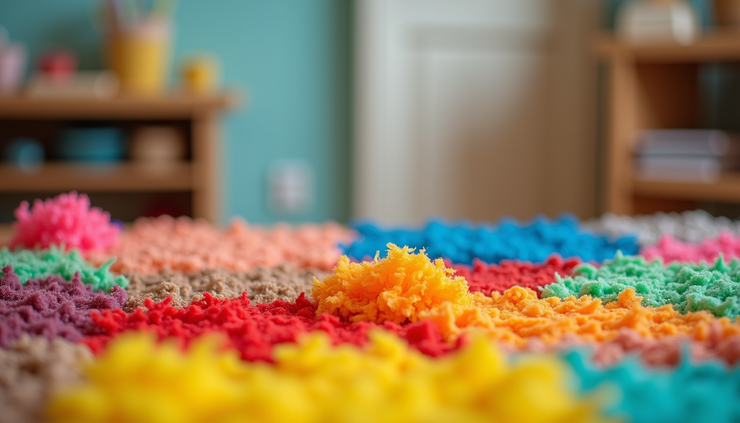
Understanding Sensory Needs in Children with Autism
Children with autism may be hypersensitive or hyposensitive to sensory stimuli. This means they might overreact or underreact to sounds, textures, lights, or movements. Sensory activities help balance these responses by providing controlled, enjoyable experiences that encourage exploration and calm.
For example, a child who is sensitive to touch might avoid certain fabrics or textures. Introducing soft, gentle materials through play can gradually build tolerance. Conversely, a child who seeks strong sensory input might benefit from activities that provide deep pressure or intense movement.
Types of Sensory Activities to Try
Tactile Activities
Tactile play focuses on touch and texture. It helps children become more comfortable with different sensations.
Sensory bins filled with rice, beans, or sand allow children to dig, scoop, and explore textures.
Playdough or clay encourages hand strength and creativity while providing a soft, moldable texture.
Textured balls or fabrics can be squeezed or rubbed to introduce various tactile sensations.
Proprioceptive Activities
These activities help children understand their body position and movement in space, which can improve coordination and body awareness.
Jumping on a trampoline or using a therapy ball provides deep pressure and movement.
Carrying weighted backpacks or pushing heavy objects like a wagon can offer calming proprioceptive input.
Obstacle courses that involve crawling, climbing, and balancing challenge motor skills and body control.
Vestibular Activities
Vestibular input involves balance and spatial orientation. These activities help regulate the nervous system and improve focus.
Swinging on a playground swing or hammock provides rhythmic movement that many children find soothing.
Spinning in a chair or on a spinner toy can offer controlled vestibular stimulation.
Rocking back and forth on a rocking chair or balance board helps with balance and calming.
Auditory Activities
Sound can be overwhelming or underwhelming for children with autism. Auditory activities can help them tune into or filter out noises.
Listening to calming music or nature sounds can create a peaceful environment.
Playing with musical instruments like drums or shakers encourages active listening and rhythm.
Using noise-canceling headphones during noisy situations can reduce sensory overload.
Visual Activities
Visual input is important for attention and processing information.
Light tables or lamps with soft colors provide gentle visual stimulation.
Watching bubbles or moving mobiles can capture attention and promote tracking skills.
Using visual schedules or picture cards helps with understanding routines and expectations.
Tips for Creating Effective Sensory Activities
Observe the child’s preferences and sensitivities before introducing new activities. Tailor experiences to what feels safe and enjoyable.
Start with short sessions and gradually increase time as the child becomes more comfortable.
Combine sensory activities with play to keep engagement high and reduce pressure.
Use everyday household items to create sensory experiences without needing special equipment.
Encourage participation but avoid forcing the child into activities that cause distress.
Practical Examples for Home and School
Create a sensory corner with soft cushions, textured blankets, and calming lights where the child can retreat when overwhelmed.
Use a DIY sensory bottle filled with water, glitter, and small objects to provide visual and tactile stimulation.
Organize a movement break during the day with jumping jacks, stretching, or dancing to reset focus.
Incorporate finger painting or sand art to combine tactile and visual sensory input.
Set up a quiet listening station with headphones and a selection of calming sounds or music.
Supporting Development Through Sensory Play
Sensory activities not only help regulate sensory input but also support communication, social skills, and emotional regulation. For example, playing with textured materials can improve fine motor skills needed for writing. Movement-based activities can increase attention span and reduce anxiety. When sensory play is part of a daily routine, children with autism often show improved mood and engagement.
Parents and educators should remember that every child is unique. What works well for one child might not suit another. Patience and creativity are key to discovering the best sensory activities for each child’s needs.


Comments